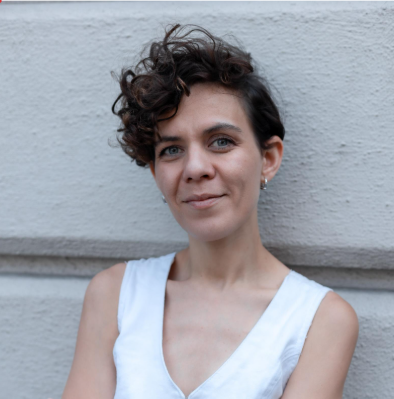
Gulnara Shigabutdinova, Certified Medical Interpreter and Registered Court Interpreter
Gulnara Shigabutdinova has had a fulfilling career in interpretation since 2016, working as a certified medical interpreter and a Master-level court interpreter. Her passion for languages goes far beyond words — she has long been fascinated by how we communicate, why we speak the way we do, and how language shapes our thinking (and vice versa). She gained valuable experience serving as Chair of the National Board of Certification for Medical Interpreters (NBCMI) and continues to focus on uplifting the interpreter community, advocating for quality standards, and helping shape the future of the profession.
Exclusive Interview: Gulnara Shigabutdinova
1) What inspired you to present on “Navigating Code-Switching in Legal Interpreting” at LEO12?
Working in courts, I often see that individuals with LEP can switch into English during their testimony, either for particular words or in full sentences. And it seems like it happens almost regardless of their English language proficiency. Sometimes the flow of the testimony is not disrupted by a sudden switch of language modes, but sometimes it can lead to certain confusion of all parties involved. I wanted to explore both the nature of code switching and its side effects.
2) What are some of the biggest challenges interpreters face when code-switching happens in legal settings?
Code-switching – in this case, the practice of switching between the two or more languages in a conversation – can lead to some difficulties, both to listeners and speakers themselves.
When it comes to interpreters, it can get confusing when individuals unexpectedly throw English words in their statements – particularly when you don’t immediately recognize the fact that the word was in English and wrack your brain trying to figure out what the person said.
For interpreters, there is a simple fix: we can just ask the witness to clarify, without any further guesses.
For witnesses themselves, it may be trickier. If they use a particular word in English and not their native language, it may be because they can’t think of the other way to say it in the moment. And if they are instructed to only speak their native language, there’s a chance that they won’t come up with the right word, especially considering all the implicit pressures of being in the courtroom.
To listeners – attorneys, jury, judges – it may appear that the witness is hesitant or has trouble recollecting events, and that presents another side effect of code-switching that is very nuanced but highly important.
3) What do you think are some of the misconceptions about code-switching in interpreting?
We interpreters are trained to avoid code-switching. In a work environment, we either speak the source or the target language, one at a time. And our seemingly effortless change of language modes can be taken for granted: it can be assumed that all bilingual people can do it.
Code-switching among bilinguals happens naturally, often without conscious thought. The tricky part comes when you try to do it deliberately: sometimes it’s not that easy for speakers to access particular vocabulary in their native language or their second language, and that may happen due to the context of the word, or the speaker’s emotional state, or both.
4) How would you describe your session in just a few words? What unique perspectives or tools will attendees gain from your session?
Essentially, this session is about trying to better understand who our clients are and how to better serve them. We, interpreters, are language conduits, and when there is a short circuit in communication, we can find various ways to eliminate it. But if we have a better understanding of what’s behind that glitch, then we can help make everything go much more smoothly for all parties involved.